Labor Relations vs Employee Relations: Key Differences and Workplace Comparison
When people think about workplace harmony, they often mix up labor relations and employee relations, but these two areas really serve different purposes. Labor relations deal mostly with unions and big-picture negotiations like contracts and collective bargaining, while employee relations focus on everyday interactions between managers and individual workers. Getting clear on how these areas differ helps organizations manage both group needs and personal concerns better, leading to a smoother, more productive workplace. In this article, we’ll break down those differences and explain why both matter.
Labor relations specifically focuses on the relationship between employers and organized labor unions, including collective bargaining, union negotiations, and compliance with labor laws. Employee relations, on the other hand, encompasses the broader spectrum of managing relationships between employers and all employees—unionized or nonunion—aiming to improve workplace communication, resolve conflicts, and enhance overall employee satisfaction and productivity.

Defining Labor Relations and Employee Relations
Labor relations typically refer to the structured, formal interactions between an employer and a collective group of employees, most often represented by a union. These interactions revolve around core processes such as collective bargaining—negotiating contracts that cover wages, working conditions, benefits, and other employment terms for the entire unionized workforce. It also involves navigating labor laws designed to regulate this relationship, ensuring compliance on both sides and managing disputes through established mechanisms like grievance procedures or labor boards.
This framework is distinct because it emphasizes collective interests rather than individual concerns. By addressing issues at the group level, labor relations create a balance of power between employers and unions in industries where standardized agreements govern thousands or even tens of thousands of workers. For example, a manufacturing plant’s management negotiating a multi-year contract with the union representing assembly line workers is classic labor relations in action.
On the other hand, employee relations zoom in on the one-on-one relationships between an employer and individual employees, often outside any union context.
Employee relations handle everything from day-to-day communication, performance management, workplace conflict resolution, to addressing personal grievances or disciplinary actions at the individual level. This is where the human element comes forward—managers work closely with employees to understand their unique situations, motivations, and challenges. Unlike labor relations’ regimented negotiations, employee relations require personalized approaches tailored to different personalities and circumstances.
Picture labor relations as a group dance: everyone following rehearsed steps in coordination to maintain harmony across a large ensemble. Meanwhile, employee relations resemble a solo dance where each interaction adjusts rhythm and movement based on the partner’s unique responses and needs.
This distinction matters because the skills required differ: proficient labor relations specialists excel in negotiation tactics at scale, legal compliance, and strategic planning for collective agreements; meanwhile, experts in employee relations focus on interpersonal communication, conflict mediation, coaching managers on effective leadership techniques, and fostering engagement on an individual basis.
For organizations striving to improve workplace dynamics holistically—including minimizing costly disputes and enhancing productivity—it’s wise to engage seasoned consultants like those at Labor Relations Advisors. With over 40 years of experience bridging both sides—labor and employee—they provide practical guidance to align group negotiation strategies with strong individual relationships under one cohesive human resources framework.
“Understanding these foundational concepts is essential; embracing both perspectives opens doors to truly building stronger workplaces.”
Having clarified the distinct yet intertwined roles of labor and employee relations, it’s crucial to further explore how collective negotiation processes operate within this complex landscape. Next, we examine foundational techniques central to navigating these negotiations successfully.
Collective Bargaining Basics
Collective bargaining stands as one of the foundational pillars of labor relations. At its core, it’s a formal negotiation process where employers and union representatives come together to hammer out agreements that shape the working conditions for employees. This process isn’t just about meeting halfway; it’s a detailed dialogue aiming to balance the needs and interests of both sides.
Negotiations typically cover critical topics such as wages, hours, health benefits, job safety, and other workplace conditions. Each discussion is carefully structured to ensure transparency and fairness, recognizing the complex dynamics at play—employers want productive, motivated workers while unions seek protections and improvements for their members. The conversations often unfold over multiple sessions, requiring patience, openness, and strategic thinking from both parties.
To underline its importance, consider this: as of 2025, about 10.3% of U.S. workers were union members—a figure reported by the Bureau of Labor Statistics. That significant segment actively participates in or benefits from collective bargaining processes that directly influence labor standards across industries.
One key to effective bargaining lies in preparation. Both sides must come equipped with thorough data and an understanding of current market realities, workforce needs, and legal frameworks. The Hutchison Group, with over four decades of experience in this field, emphasizes how preparatory work—and employing expert labor relations consultants—can greatly improve outcomes by foreseeing challenges, aligning expectations, and fostering cooperation.
Once negotiations culminate with agreement on terms, these discussions materialize into a binding contract that sets the stage for ongoing workplace relations.
Outcomes of Successful Bargaining
When collective bargaining reaches a successful conclusion, the impacts resonate throughout the organization. Among the most valuable outcomes are enhanced job security for employees and a reduction in workplace conflicts—two factors closely tied to morale and productivity.
Clear contracts limit ambiguity around wages, working hours, grievance procedures, and benefits. This transparency not only aligns expectations but also builds trust between management and labor representatives. Furthermore, well-negotiated agreements can promote worker satisfaction by ensuring fair treatment and access to necessary resources—whether that’s improving safety protocols or providing better healthcare options.
- **Improved Job Security:** Workers feel more stable knowing their rights are clearly protected.
- **Reduced Conflict:** Openly discussed rules minimize misunderstandings leading to disputes.
- **Better Worker Satisfaction:** Fair compensation and working conditions foster loyalty.
- **Foundation for Cooperation:** Successful deals lay groundwork for long-term employer-union collaboration.
These results underscore why many companies turn to experienced consultants like Labor Relations Advisors (The Hutchison Group) for guidance through collective bargaining. The complexities demand specialized knowledge—ranging from labor law compliance to strategic negotiation techniques—that seasoned experts are uniquely positioned to provide.
Understanding these fundamentals highlights how well-crafted agreements do more than settle contracts—they build the foundation for lasting engagement between workers and leadership. The next area worth exploring focuses on how organizations can deepen connections on an individual employee level, creating personalized strategies for engagement and growth.
Individual Employee Engagement

The heart of employee relations lies in understanding and nurturing the emotional connection each worker has with their organization—what experts call employee engagement. It’s a nuanced concept, blending feelings of loyalty, motivation, and satisfaction into a commitment that goes beyond simply showing up for the job.
This emotional investment is what drives employees to contribute their best every day, often going the extra mile because they feel genuinely connected to the workplace mission and values.
When an employee feels engaged, they’re not just performing tasks—they’re actively participating in the company’s success story. This can manifest in numerous ways: enthusiasm for projects, eagerness to collaborate with colleagues, or resilience in facing challenges.
On the flip side, low engagement often results in absenteeism, diminished productivity, and higher turnover rates. As one Gallup poll from 2024 illustrated, only about 34% of U.S. employees felt truly engaged at work—a clear signal that many organizations have ample room to grow in this area.
Enhancing engagement requires intentional effort from managers and HR professionals alike. Tools such as employee surveys can reveal underlying sentiments and uncover issues that might otherwise go unnoticed.
One-on-one meetings serve as a critical forum for personal feedback, allowing managers to recognize achievements and address concerns before they escalate. Meanwhile, investing in professional development signals a commitment not just to current performance but also future growth, further strengthening the employee’s bond with the company.
It’s important to note that fostering engagement isn’t about quick fixes; it demands consistent and tailored communication that respects each individual’s unique motivations.
For example, some employees may value public recognition, while others prefer private acknowledgment or opportunities to learn new skills. This personalized approach cultivates trust and shows that management values each employee beyond their role duties.
John, a data analyst at a finance firm, shares his experience:
"When my manager started holding regular feedback sessions, I felt more valued and motivated."
His story highlights a common truth—simple acts like scheduled conversations can dramatically shift an employee’s perception of their workplace.
Effective strategies that deepen these individual connections translate directly into tangible business benefits such as lowering costly turnover rates and enhancing overall productivity. Building on this understanding opens the door to addressing legal frameworks and resolving disputes that inevitably arise within workplaces.
Legal Aspects and Dispute Handling
When we talk about labor relations, the legal framework is absolutely central. Laws like the National Labor Relations Act (NLRA) and the Fair Labor Standards Act (FLSA) set the boundaries within which employers, unions, and employees must operate. These laws aren’t just abstract rules—they are the backbone of fair workplace practices. Think of them as a detailed rulebook guiding negotiations, collective bargaining, and union activities.
An employer who ignores these can face serious repercussions, such as claims for unfair labor practices. For example, if an employer dismisses workers because they engage in union activities, that’s a direct violation of the NLRA, potentially leading to costly legal battles.
But labor relations law doesn’t stop at collective bargaining; it also intersects with employee rights on wages, hours, and working conditions through acts like the FLSA. This dual-layered legal environment requires employers to be diligent—not only in negotiating labor agreements but also in complying with statutory standards that protect individual employees.
Beyond understanding these laws, businesses must also be equipped to handle conflicts that inevitably arise—and this brings us to the crucial sphere of dispute resolution.
In employee relations, disputes often emerge over grievances ranging from harassment allegations to workplace discrimination. The goal here shifts slightly: focus is on resolving issues promptly to maintain a productive work environment without escalating into litigation.
This is where techniques like mediation and arbitration enter the picture. Mediation involves bringing in a neutral third party who helps both sides communicate and find common ground voluntarily. It’s a flexible approach aimed at collaborative resolution. Arbitration, by contrast, hands decision-making power over to an arbitrator whose ruling is usually binding—much like a judge’s verdict but outside of court.
While mediation may preserve relationships by fostering dialogue and mutual understanding, arbitration offers a definitive outcome when parties cannot agree otherwise. Employers often prefer mediation initially because it can prevent drawn-out disputes and reduce legal costs, yet arbitration provides a clear path when issues reach an impasse.
From my experience advising clients at Labor Relations Advisors, having clear policies tailored to legal requirements and investing in skilled mediators or arbitrators saves businesses significant time and money. Not only does it reduce the risk of damaging public disputes or lawsuits, but it also builds trust among employees who see their concerns addressed fairly and efficiently.
“Proactive legal compliance combined with structured dispute resolution creates workplaces where problems don’t fester but are resolved before escalating.” — Cameron J. Hutchison
Seamlessly combining strong legal knowledge with practical conflict management techniques positions organizations not only to avoid costly disputes but also to foster an environment where employee concerns are handled constructively. This approach naturally leads into how human resources professionals take ownership of these dynamics within their organizations.
HR's Role and Responsibilities
Human Resources acts as a crucial bridge between organizational goals and workforce needs, balancing the often competing demands of labor relations and employee relations.
In labor relations, HR steps into the spotlight as a strategic partner, carefully shaping negotiations with unions while ensuring compliance with ever-evolving labor laws. This means HR professionals must master not only the letter of collective bargaining agreements but also the nuanced tactics that foster cooperation rather than conflict.
The ability to translate complex legal jargon into practical workplace policies is indispensable for avoiding costly disputes and sustaining productive union relationships.
Beyond contracts and compliance, HR’s strategic role involves anticipating challenges before they escalate.
This proactive stance includes conducting thorough risk assessments during mergers or restructuring initiatives—areas where The Hutchison Group has provided seasoned consulting for over four decades.
Anticipating how changes affect union dynamics helps prevent surprises that can stall operations or erode trust.
By aligning negotiation strategies with broader organizational objectives, HR ensures that labor agreements are both legally sound and operationally feasible.
Yet, while labor relations demand a macro-level focus, HR’s responsibilities in employee relations reach deeply into individual experiences within the workplace.
In employee relations, HR becomes the advocate for employees, championing fairness and fostering open channels of communication.
Here, sensitivity and empathy take center stage as HR addresses grievances — whether resolving misunderstandings between coworkers or supporting employees through disciplinary actions with clear procedural fairness.
The impact of these efforts resonates widely; when employees feel heard and valued, engagement and morale rise, reducing turnover and enhancing productivity.
Part of this advocacy involves deploying conflict resolution skills fluidly to de-escalate tensions before they harden into entrenched disputes.
For instance, specialized training in mediation and coaching equips HR professionals to guide conversations toward mutually acceptable solutions, preserving professional relationships while upholding company standards.
A culture where conflicts are constructively managed also supports compliance with labor laws by limiting grievances that might otherwise trigger formal complaints or litigation.
Achieving this balance requires an HR team adept at switching gears—moving seamlessly between advocating for employees’ voices and enforcing policies aligned with business needs.
This delicate balancing act demands HR professionals possess a unique mixture of interpersonal savvy, legal knowledge, and strategic foresight.
Their work influences not just individual outcomes but the overall atmosphere, shaping whether the workplace feels collaborative or contentious.
Effective HR departments serve as quiet architects of corporate harmony: crafting policies that honor both collective agreements and individual dignity, guiding managers on best practices in supervision, and providing leaders tools to build trust across all levels.
It’s no surprise then that organizations investing in skilled HR guidance often experience fewer labor disruptions, stronger team cohesion, and higher performance metrics.
At Labor Relations Advisors—the consulting arm of The Hutchison Group—we have observed firsthand how well-prepared HR teams transform potential flashpoints into opportunities for growth.
This outcome underscores the essential role human resources play in building resilient workplaces that adapt gracefully amid changing labor landscapes.
"Building Stronger Workplaces Through Expert Guidance" isn’t just our slogan; it encapsulates how expert HR intervention fosters environments where both employers and employees thrive together.
With these insights into how human resources navigate complex interactions within organizations, we now turn to examine their profound influence on shaping workplace culture and its lasting effects on organizational success.
Influence on Workplace Culture
Workplace culture is not an abstract concept floating above organizations; it is the sum of countless interactions, policies, attitudes, and shared experiences that define how people feel about their jobs. Both labor relations—the structured dialogue and negotiation between unions and management—and employee relations—the day-to-day interactions between employees and their employer—play pivotal roles in shaping this culture.
Labor relations often inject a sense of collective identity into the workplace. In unionized environments, workers rally around shared goals and protections, which can foster a steadfast culture of solidarity and mutual support. When employees feel they have a collective voice through a union, it instills confidence and a shared responsibility for the workplace’s well-being.
However, this same dynamic can occasionally cast a shadow on morale if not managed carefully. The adversarial nature inherent to collective bargaining sometimes fosters tension between management and workers. When negotiations become contentious or communication breaks down, the workplace runs the risk of becoming polarized—creating an “us versus them” dynamic that undercuts trust and collaboration.
It’s a delicate balance: unions contribute to empowerment but can also unintentionally escalate conflict if both sides don’t commit to transparent dialogue.
Moving from the group to the individual level reveals another dimension: how personal relationships and engagement affect culture.
Individual Contributions
Strong employee relations emphasize one-on-one connections, fostering an environment where individuals feel valued beyond their job titles or roles. These positive relationships are built on open communication, recognition, fair treatment, and responsiveness to concerns.
When employees sense their organization cares about them personally, engagement flourishes. This engagement isn’t just goodwill—it directly impacts performance and financial outcomes. Research shows that companies with highly engaged employees boast profit margins up to 21% higher than those with disengaged workforces. That’s because engaged staff take initiative, collaborate more effectively, and remain committed during challenges.
Balancing the collective strength of labor relations with the personalized care central to employee relations creates fertile ground for a thriving workplace culture.
It requires leaders who understand that while unions may represent formal power structures and rights, everyday human connection drives motivation, loyalty, and productivity. Integrating these elements means cultivating trust at all levels—between management and unions, supervisors and staff, individuals and their teams.
For organizations aiming to build strong work cultures today, attention must extend beyond just managing agreements or resolving disputes. It involves proactive efforts in leadership training, continuous feedback systems, conflict resolution strategies, and recognition programs—all tailored to respect both collective voices and individual needs.
This holistic approach ensures that labor relations do not become an obstacle but rather an asset in reinforcing the values that unite employees.
Recognizing these intertwined roles helps managers navigate complex dynamics effectively. Understanding how to harmonize group interests with individual needs sets the stage for exploring practical approaches to leadership that sustain workplace balance.
Balancing Strategies for Managers
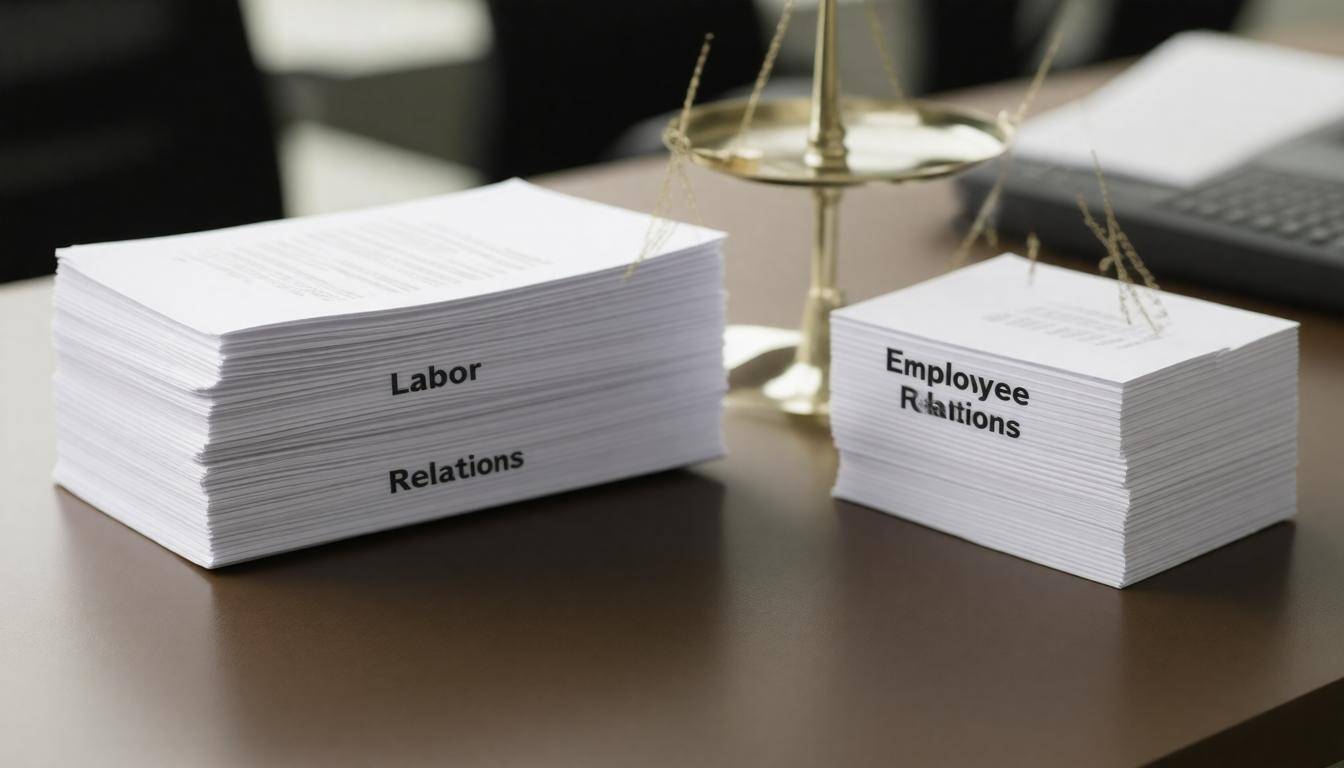
Managers often juggle competing priorities: respecting collective bargaining agreements while addressing individual concerns that don’t fit neatly within those structures. Finding a balance is not about choosing one over the other but blending both approaches to build trust and maintain productivity. One foundational strategy is fostering open communication.
When employees feel they can speak freely without fear of retaliation, issues get resolved earlier, before they grow into costly disputes. This means creating multiple avenues—regular check-ins, anonymous suggestion boxes, or simply an open-door policy—that make dialogue routine and comfortable.
Equally important is investing in manager training programs focused on essential skills like conflict resolution, negotiation tactics, and labor law compliance. Properly equipped managers are more confident when navigating complex scenarios that involve union contracts or sensitive employee matters. Training also empowers them to identify early warning signs—be it simmering discontent or procedural missteps—before they escalate.
Consider this practical insight: a manager skilled in mediation can defuse tensions during a grievance meeting by listening actively and understanding both the union’s position and the individual’s perspective. This balanced approach reduces friction, keeps relationships intact, and moves conversations toward productive resolutions.
Mark, a project manager at a tech firm, shares his experience:
"After attending a leadership workshop focused on labor and employee relations, I felt more equipped to handle disputes and foster a positive team dynamic."
His story illustrates that when managers develop these competencies, it benefits not only themselves but the entire workplace culture.
Creating this equilibrium doesn’t end with communication and training. It requires ongoing attention—a combination of vigilance in enforcing collective agreements alongside genuine empathy for employees' day-to-day experiences. When management embraces this dual focus, employees see leadership as fair and approachable rather than distant arbiters of rules.
To maintain balance, managers should regularly evaluate their department’s climate through surveys or informal conversations. These practices offer real-time feedback and highlight areas needing adjustment. Additionally, collaborating with experienced labor relations consultants can provide tailored guidance that addresses your organization’s unique challenges.
For expert guidance on blending labor relations with employee relations strategies seamlessly, consider consulting specialists at Labor Relations Advisors. Explore tailored solutions designed to build stronger workplaces through expert guidance.
Balancing labor relations with employee relations is both an art and a science requiring continuous effort from management. Successfully navigating this terrain creates a healthier workplace where agreements are honored and individuals feel valued.